
Yoga vs Pilates for Weight Loss: Which Should You Choose?
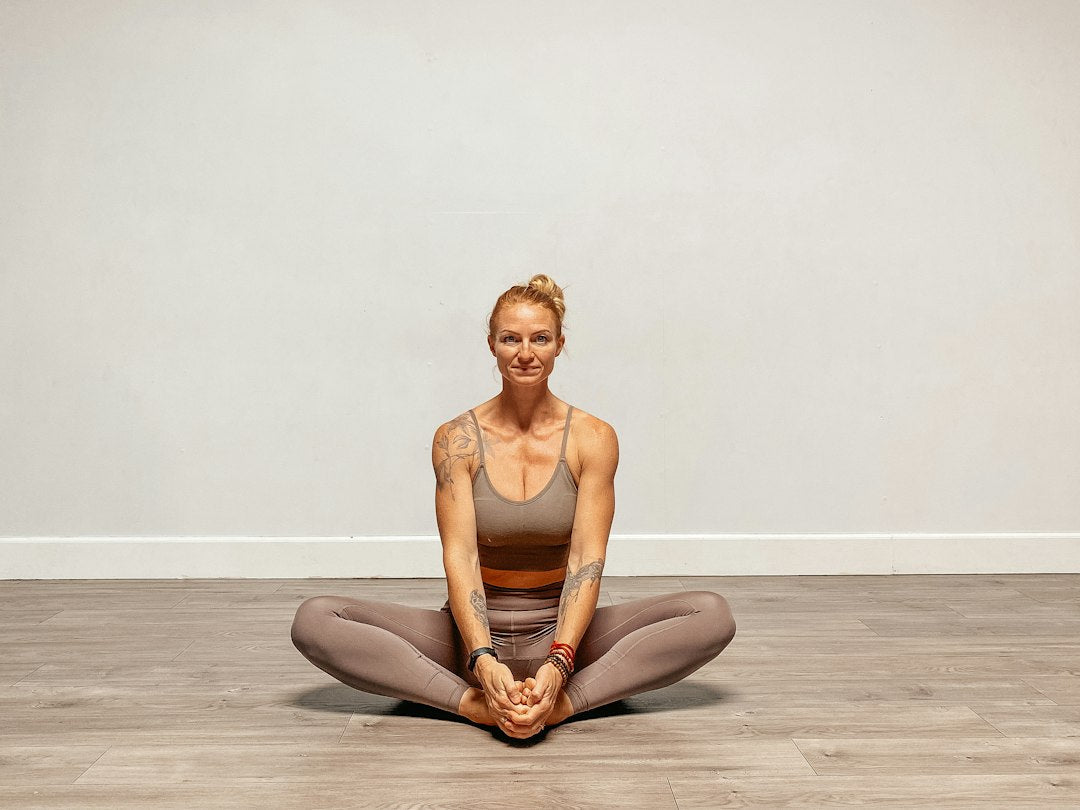
If weight loss is the goal, the honest answer is that neither yoga nor Pilates is a fast route there. Both are low impact, both build strength and body awareness, and both can sit comfortably inside a routine that supports a healthy weight. Which one suits you comes down to how you like to move and what you will actually keep doing week after week.
I have taught and practised yoga for years, and I have sat in plenty of Pilates classes alongside students who do both. Here is how I would think about the two if you are choosing between them.
What the energy numbers actually say
A gentle yoga class and a mat-based Pilates class burn a similar, modest amount of energy. It is usually less than a brisk walk of the same length, and well below running or cycling. A flowing vinyasa or power style lifts that number, and so does a Pilates session built around fast, repeated core work, but neither comes close to the numbers people hope for when they search this question.
That does not make them poor choices. Weight changes over months, and they respond to the whole picture: how you eat, how you sleep, how much you move across the day, and how stressed you are. The practice that fits into that picture and gets repeated is worth more than the one with the bigger number on a chart.
How each practice builds strength
Pilates is built around the centre of the body. Movements are small, precise and controlled, and most of the work comes from the abdominals, the deep muscles along the spine, and the hips. If you want a clear, measurable feeling of working your core, Pilates delivers it quickly. We covered a simple option in our 5 minute yoga sequence for better abs, which shows how much core work a yoga practice can hold too.
Yoga spreads the effort across the whole body. Holding a long warrior pose asks a lot of your legs and shoulders. Moving from plank to low push-up and back asks for upper body strength. Standing balances train the small stabilising muscles that are easy to ignore. Add breath work and a quieter finish, and you get strength and a steadier nervous system in the same hour.
Muscle matters here because it uses energy even when you are resting. Any practice that builds and maintains it supports your long term goals more than one that only feels hard on the day.
The part nobody puts on the timetable
Consistency beats intensity. The person who rolls out a mat four mornings a week for six months will out-do the person who goes hard for three weeks and stops. So ask which practice you look forward to.
Some people love the structure and precision of Pilates. Others find it too exacting and prefer the rhythm of a yoga flow. Plenty of people feel calmer and more connected to their body after yoga, and that can change how they eat, rest and look after themselves outside the studio. If you want to understand why, our piece on the science of yoga is a good place to start.
Try one class of each. Notice which one you leave feeling better in, not which one wrecked you. That feeling is a better guide than any comparison chart.
It also helps to be realistic about what a session gives you. Expect to feel stronger, more mobile and more aware of how you hold yourself within a few weeks. Changes on the scales take longer and depend on far more than your mat time. Treat the practice as a habit you are building for the long run, and let the rest follow at its own pace.
A simple way to choose
Pick Pilates if you want focused core work, enjoy slow and exact movement, and like a clear structure to follow. Pick yoga if you want strength, flexibility and a calmer head in one practice, and you like variety from class to class. Pick both if you have the time, since they complement each other well. Yoga opens and lengthens, while Pilates builds control through the centre.
Whichever you choose, pair it with things that move the needle more. Walk when you can. Sleep properly. Eat meals you enjoy that keep you full. If you have a health condition or are unsure what is right for your body, speak to your doctor before changing your routine.
Set yourself up to show up
Small things make a regular practice easier. A mat that grips when your hands get warm, cushions your knees and lies flat means one less reason to skip a session. Both practices happen on a mat, and the right one makes a difference to how often you step onto it. Our mats are made from natural rubber with a microsuede top, so they grip well and suit yoga, Pilates and any floor work in between. Leave yours out where you can see it and the decision gets a lot easier.


Comments