
Morning vs Evening Yoga: When Should You Actually Practice?

The question comes up in almost every beginner class I teach. Students have heard that morning yoga is more effective, or that evening practice is better for flexibility, or that consistency matters more than timing. All three are true in some way, and none of them quite settles the question for the person asking. So here's a more useful answer.
What morning yoga actually feels like
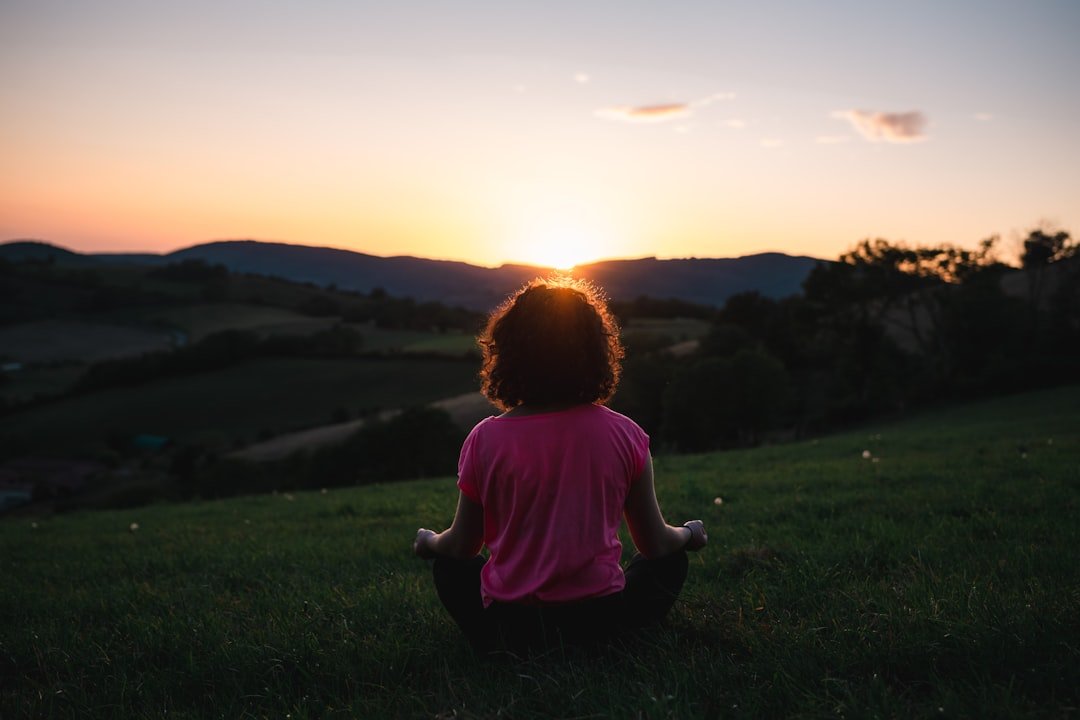
If you've ever rolled out your mat before the rest of the world has woken up, you know the particular quality that morning practice has. There's a stillness to it. Your body might be stiff from sleep, your hamstrings reluctant to cooperate, but there's something clarifying about moving before the day's demands have started stacking up.
The real advantage of morning practice isn't flexibility, which is genuinely harder to access first thing. It's consistency. When you practice before the day begins, nothing can cancel it. There's no afternoon meeting that runs long, no dinner that needs cooking, no message that pulls your attention somewhere else. You're done before the disruptions begin.
Morning yoga also tends to set a tone. When you begin your day with breath and movement, you carry something of that quality into the hours that follow. Many teachers describe it as a kind of anchoring; you return to it mentally even when the day gets hard. A gentle morning stretch sequence is a good starting point if you're building this habit, especially if full flows before breakfast feel like too much at first.
What evening yoga actually feels like
Evening practice has a completely different texture. Your body is warmer, more open, and generally more willing. That forward fold you couldn't reach at 6am? At 7pm, it's there. If you enjoy deep work, long holds, or the kind of practice where you can really settle into a pose and breathe, evening tends to deliver that more readily.
There's also something valuable about using yoga to close the day. Spending time on the mat after work can help you make a genuine transition from the busy part of your day to the quieter part. Without that transition, the mind often keeps running even as the body winds down. A slower practice in the evening can act as a kind of reset, clearing the mental residue of the day before sleep.
The challenge with evening practice is that life has a way of filling that time. By 7pm you might be tired, hungry, or pulled in different directions. For some people, evening yoga is a beautiful consistent ritual. For others, it's the session that keeps almost happening.
The honest answer about timing
The research on optimal training times is interesting but largely irrelevant to most people's actual lives. Yes, core temperature is higher in the afternoon and early evening, which may support performance and flexibility. Yes, morning cortisol levels can make some people feel energised at that hour. But none of that matters if you're not showing up.
The best time to practice yoga is whenever you will actually practice. That sounds obvious, but it's worth sitting with. If you are not a morning person, building a 6am practice into your week is creating friction that will eventually cause the habit to break. If evenings are reliably chaotic in your household, planning your practice for after dinner is setting yourself up to skip it regularly.
A better question to ask yourself is: when do I have a reliable 30 to 60 minutes that I can protect? That window, whatever time it falls, is your practice window.
Getting practical: how to make either work
If you're committing to morning practice, the setup the night before matters a lot. Lay out your mat, have your clothes ready, know what you're going to do. The fewer decisions required when you're half asleep, the more likely you are to get on the mat. Starting with shorter sessions, even 20 minutes, helps build the habit without making it feel like a burden.
For evening practice, treat it like an appointment. It needs a time slot and a cue. Some people use the end of the work day as that cue; others change into their practice clothes straight after dinner. Building a home practice means you're not relying on class schedules, which makes it much easier to fit around whatever your evening looks like.
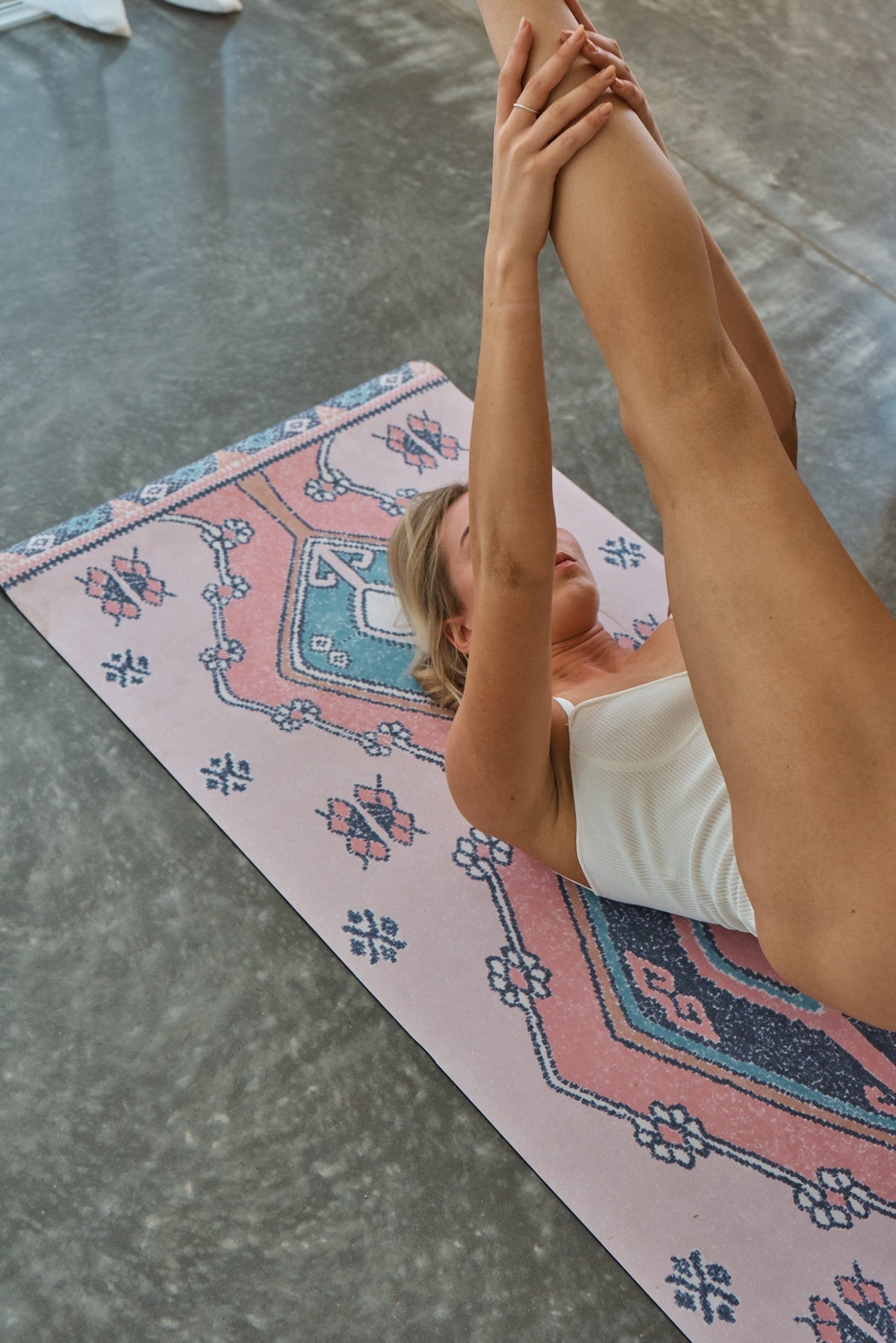
One thing that helps regardless of timing is having a dedicated space. Even a small corner with enough room to roll out your mat makes a difference. Our mats stay rolled out in that space rather than stored away, which removes one more barrier between you and getting started. When your mat is already there, the entry to practice is much lower.
Some practitioners find that splitting the week works well for them: a couple of morning sessions on days with earlier starts, evening sessions on days that allow for it. Yoga doesn't require the same time every day to be effective. It requires regularity over weeks and months, and whatever schedule supports that regularity is the right one.
The most consistent practitioners I know aren't the ones who practice at the scientifically optimal hour. They're the ones who know their own rhythms well enough to work with them rather than against them.


Comments