
Natural Rubber vs PU vs Cork: How to Choose the Right Yoga Mat for Your Practice
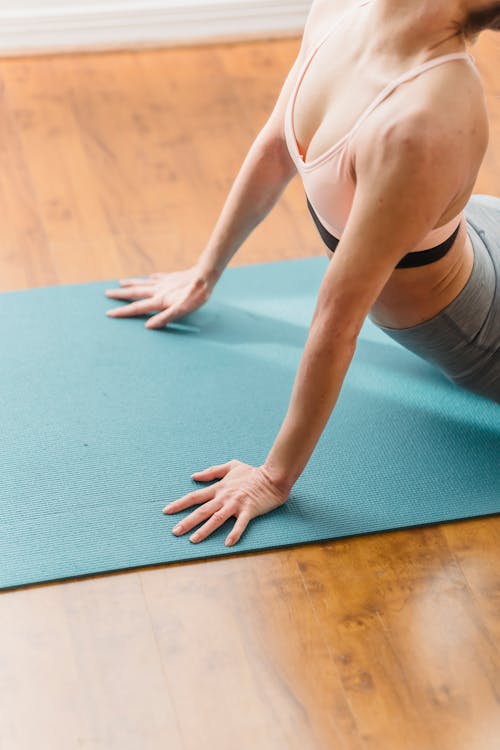
When you're investing in a quality yoga mat, the sheer number of options can feel overwhelming. Natural rubber, PU, cork - each material has its advocates, and each genuinely performs differently on the mat. The right choice comes down to your practice style, your priorities (grip, sustainability, feel), and how you want your mat to work for you.
This guide breaks down the three most popular premium yoga mat materials - natural rubber, PU (polyurethane), and cork - so you can make a confident, informed decision.
The Three Main Types of Premium Yoga Mat
Before diving in, it helps to understand what these terms actually mean. Most premium yoga mats aren't made from a single material. They typically have a base layer that provides structure and cushioning, and a top layer that determines how the surface feels underhand and underfoot. Natural rubber is commonly used as a base; PU and cork are used as top surfaces, often layered over natural rubber. Knowing this makes it much easier to compare options side by side.
Natural Rubber Yoga Mats
Natural rubber yoga mats have been a favourite among serious practitioners for good reason. Sourced from rubber trees (Hevea brasiliensis), natural rubber is a renewable, biodegradable material that delivers exceptional grip, even on days when your practice gets sweaty.
Performance: Natural rubber provides a slightly textured, tactile surface with excellent traction. It's dense enough to offer real cushioning without feeling spongy, which makes it a great all-rounder for yin yoga, restorative flows, vinyasa, and everything in between. The grip doesn't deteriorate over time the way synthetic mats can. Natural rubber tends to perform better the more it's used.
Sustainability: For eco-conscious practitioners, natural rubber is one of the most responsible choices available. It's biodegradable, comes from a renewable plant source, and, when paired with a vegan microsuede top, produces no PVC, phthalates, or toxic off-gassing. If you're choosing a yoga mat on environmental grounds, natural rubber is a strong starting point.
Things to consider: Natural rubber mats have a distinct earthy smell when new, which usually fades over the first few weeks of use. They're also heavier than synthetic alternatives, which matters if you're commuting to the studio. And if you have a latex allergy, natural rubber isn't suitable - opt for cork or a fully synthetic PU mat instead.
Best for: Eco-conscious yogis who want a versatile, long-lasting mat that performs across all styles of practice.
PU Yoga Mats
PU stands for polyurethane - a synthetic material used as a top layer on many premium yoga mats. You've likely seen the term "PU yoga mat" used to describe mats that are longer, wider, or thicker than standard options. At Yin, our PU mats are exactly that: a natural rubber base topped with a polyurethane surface, designed for practitioners who want a little more room to move.
Performance: PU surfaces are incredibly smooth, soft underhand, and have a unique quality: they become grippier as you sweat. If you practise hot yoga or tend to perspire during a session, a PU mat can actually outperform natural rubber in wet conditions. The surface is also easy to wipe clean, which is a practical bonus.
Dimensions: PU mats are typically available in longer and wider dimensions than standard mats, ideal for taller practitioners, or anyone who's ever drifted off the edge of their mat mid-flow. The added thickness also provides extra cushioning for joints during longer holds or slower, floor-based practices.
Sustainability: PU is a synthetic material, so it doesn't carry the same eco-credentials as natural rubber or cork. That said, when a PU mat is paired with a natural rubber base (as ours are), the overall environmental impact is significantly reduced compared to fully synthetic PVC mats.
Best for: Hot yoga practitioners, taller yogis, or anyone who wants a larger, softer mat with a silky surface feel.
Cork Yoga Mats
Cork is having a well-deserved moment in the yoga world - and it's more than just a trend. Harvested from the bark of cork oak trees without felling the tree, cork is one of the most sustainably sourced materials in the world. It's naturally antimicrobial, which means bacteria and odours don't build up over time the way they can on fabric or rubber surfaces.
Performance: Cork has an unusual and genuinely useful property: the more moisture it comes into contact with, the better it grips. A light mist of water before practice (or a good sweat session) activates cork's natural grip, making it a solid choice for both dry and hot yoga. The surface is firm and slightly textured - less cushioned than rubber or PU, but very responsive.
Sustainability: Cork is arguably the most sustainable yoga mat material available. Cork oak forests are one of the world's most biodiverse ecosystems, and harvesting cork actually encourages the trees to absorb more CO2. Cork is also biodegradable and free from synthetic chemicals. For the practitioner who wants to minimise their environmental footprint, a cork yoga mat is hard to beat.
Things to consider: Cork mats can feel harder underfoot than rubber, particularly during long holds on joints like knees and hips. If you practise yin or restorative yoga and spend a lot of time on the floor, you may want to add a folded blanket for extra padding. Cork mats also tend to be thinner than PU options.
Best for: Eco-conscious practitioners, those who prefer a firm surface, hot yoga devotees, or anyone who values easy cleaning and odour resistance.
Which Yoga Mat Is Right for Your Practice?
Here's a simple way to think about it:
- You value eco-credentials and versatility - Go with a natural rubber mat. It's the most well-rounded option for everyday practice.
- You run hot, prefer a softer surface, or are taller than average - A PU mat gives you more space, more cushioning, and wet-grip performance.
- Sustainability is your top priority, or you want easy hygiene - Cork is the most environmentally responsible choice, with natural antibacterial properties built in.
- You practise yin yoga or slower, floor-based styles - Both natural rubber and PU offer good cushioning. Cork works well but may benefit from a blanket for long holds.
Of course, many practitioners eventually own more than one mat - a natural rubber mat for everyday home practice, and a cork mat for studio sessions or hot yoga. There's no single right answer, and the best mat is always the one you'll actually roll out.
A Note on Sustainability and Materials
One thing worth knowing: not all "eco-friendly" yoga mats are created equal. Some mats market themselves as natural or sustainable while still using PVC layers, chemical adhesives, or synthetic dyes. When choosing a yoga mat on environmental grounds, it's worth checking that the mat is genuinely free from PVC, phthalates, and toxic chemicals - and that the packaging reflects those values too.
At Yin, our mats are made with a 100% natural rubber base and a vegan microsuede or cork top layer. No PVC, no phthalates, no toxic off-gassing. Our packaging is plastic-free and recyclable. We believe a mat that's good for your practice should also be good for the planet - and those two things should never be in conflict.
Find Your Mat
Whether you're drawn to the tactile warmth of natural rubber, the soft performance of PU, or the earthy resilience of cork, there's a Yin mat designed for the way you practise. Browse our full range and find the one that feels like home.


Comments