Are Expensive Yoga Mats Worth It? A Teacher's Honest Answer
Yes, for most people who practise regularly, a well-made yoga mat is worth the extra money. Not because price alone means quality, but because the things you pay for in a better mat (grip, cushioning, materials and durability) are the same things you feel every time you step onto it. A cheap mat can be perfectly fine for a few classes. If yoga is becoming part of your week, it usually stops being fine fairly quickly.
I've taught on just about every kind of mat over the years, and I've watched students wrestle with their gear more often than with the poses. So rather than tell you to spend more, I'd like to walk you through what the difference actually is, and how to tell whether it matters for you.
What you're paying for in a more expensive mat
Grip. This is the big one. A mat that slides under your hands in downward dog changes how you practise. You start gripping with your fingers, hunching your shoulders and shortening your stance just to stay put. Natural rubber and good-quality suede tops hold you in place, even as your palms warm up. Cheaper foam mats often feel grippy in the shop and slick by the third sun salutation.
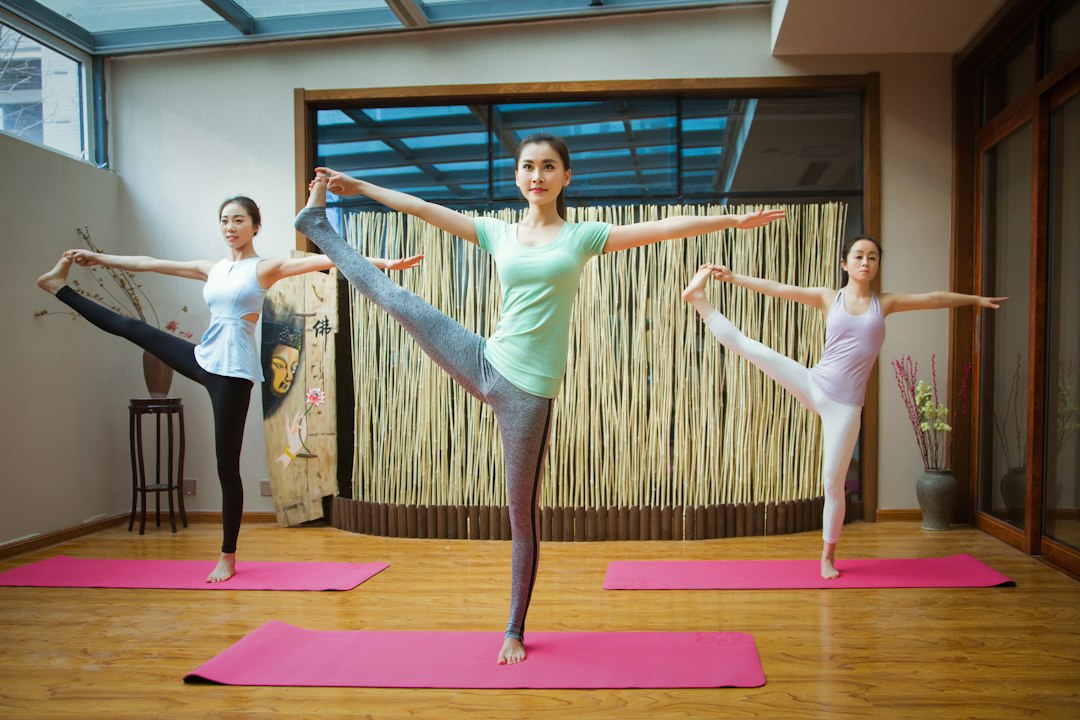
Cushioning that supports, not sinks. There's a difference between soft and supportive. A thick, spongy budget mat feels comfortable when you kneel on it, then wobbles under you in a standing balance. A denser mat gives your knees and wrists some protection while keeping you stable. You'll notice it most in poses like tree, warrior three or anything on one foot.
Materials. Many low-cost mats are made from PVC, which can carry a strong chemical smell and isn't easy to dispose of well. If you're curious about the details, I've written about the yoga mat materials I tell students to avoid and why. Better mats tend to use natural rubber, cork or plant-based materials, which costs more to produce but feels very different under your body and sits better with your values.
Durability. A budget mat often starts flaking, stretching or tearing at the spots where your hands and feet land most. A well-made mat holds its shape and surface for years. That brings us to the part most people skip when they look at the price tag.
The cost-per-practice maths
Say you buy a $30 mat and it lasts about a year of regular practice before it's peeling and slippery. Now say you buy a $110 mat that lasts five years with a little care. Practising three times a week, the cheaper mat works out to around 20 cents a session. The better mat comes in at roughly 14 cents, and you've had a far nicer experience every one of those times.
Those numbers shift depending on how often you practise and how you look after your mat, but the pattern holds. The more you use it, the more a quality mat pays for itself. Looking after it properly makes a big difference too, and there are a few easy habits that can make your yoga mat last years longer.
There's also a less obvious cost to a mat you don't like. If it smells, slides or looks tired, it ends up rolled in a cupboard. A mat you enjoy using is a mat you actually use. I've seen students whose home practice started simply because they finally had a mat they wanted to leave out.
When a cheaper mat makes sense
I'd never tell someone they need to spend a lot to start yoga. There are good reasons to begin with something simple:
You're trying yoga for the first time. If you're not sure it's for you yet, a basic mat or a studio loaner is a sensible way to find out. Once you've been to a handful of classes, you'll have a much clearer sense of what you want from a mat.
You practise very gently or rarely. If you mainly do a short stretch once a fortnight, grip and durability matter less. Comfort and a clean surface might be all you need.
It's a backup. A light, inexpensive mat can be handy for travel or leaving in the car, alongside a better one at home.
Where I'd gently push back is when someone is practising two or three times a week, struggling with slipping or sore knees, and assuming the problem is them. Often it's the mat.
How to tell if a mat is worth its price
A high price doesn't guarantee a good mat. With some expensive mats, you're mostly paying for a logo. Here's what I look for before recommending one:
What it's made of, stated clearly. Look for specific materials like natural rubber, cork or microsuede, and be wary of vague terms like "eco foam" with no detail behind them.
Grip in your style of practice. If you sweat a lot or practise in a warm room, you need a surface that holds better as it gets damp, not worse. If your practice is slow and floor-based, cushioning and comfort may matter more than grip.
Weight and thickness that suit you. A heavier mat usually lies flatter and stays put. A lighter one is easier to carry to class. Around 4 to 5mm suits most people as a balance between stability and comfort.
Size. If you're tall or like to spread out, a longer or wider mat can be more useful than an upgrade in material.
Whether you'll enjoy looking at it. This sounds minor, but it isn't. Your mat is part of your space. If it's something you're happy to leave unrolled in your living room, it becomes a quiet invitation to practise.
That last point is a big part of why we design our mats the way we do. They're made with a natural rubber base and a soft vegan microsuede top, with rug-inspired prints designed to sit beautifully in your home. They suit every style, from a slow, grounded practice to a sweaty flow, and they're made to last for years of regular use.
If you're practising often and your current mat is getting in your way, it's probably time. A good mat won't do your practice for you, but it will stop getting in the way of it, and that's worth more than most people expect.


Comments