
Why Is Yoga Good for Kids? What a Teacher Sees on the Mat
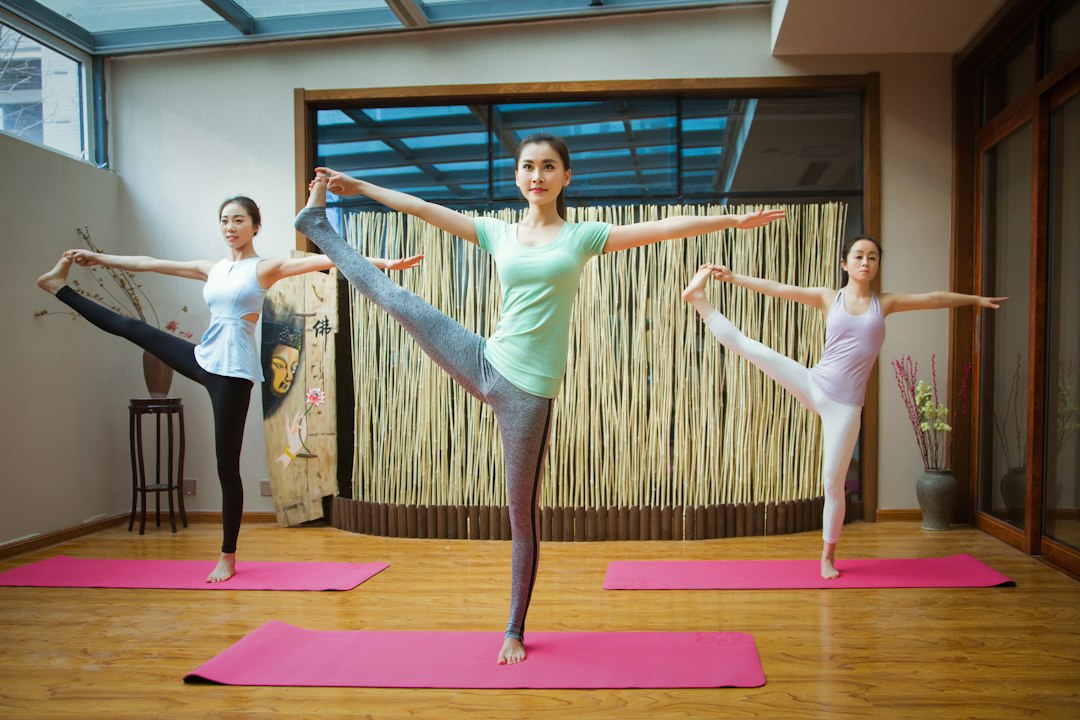
Kids take to yoga faster than most adults do. They don't arrive on the mat worried about whether they look flexible enough or whether they're doing it right. They just want to know if they can be a tree, a frog or a dog for a few minutes. That willingness to play is exactly what makes yoga such a good fit for children, and it's why I've always loved teaching them.
Over the years I've taught kids in studios, school halls and lounge rooms, and I've practised alongside my own family more mornings than I can count. What follows is what I've seen work, what parents tend to notice, and how to bring a little yoga into your child's week without turning it into another chore.
What yoga gives kids that sport and screens often don't
Most of a child's day is spent being told where to be and what to do next. School bells, sport training, homework, dinner. Yoga is one of the few places where the only goal is to pay attention to what's happening right now, inside their own body. That's a rare thing for a seven year old.
Body awareness is usually the first thing I notice change. When a child balances on one leg in tree pose, they have to feel where their weight sits, which muscles are working and when they're about to wobble. Over time that awareness carries into how they run, climb, sit at a desk and even how they fall over. They start to understand their body as something they can listen to.
Strength and flexibility build quietly, too. Kids are naturally bendy, but many lose some of that range as they spend more hours sitting. Poses like downward dog, bridge and low lunge keep hips, hamstrings and shoulders moving, while plank and boat pose ask the core to switch on. None of it feels like a workout to them, which is the point.
Focus is the quieter benefit, and the one parents mention most. Holding a pose for five slow breaths is really hard when you're young. So is lying still in a resting pose at the end of class. Those small moments of staying put are practice for paying attention, and kids get better at it the same way they get better at anything else: by doing it often and without pressure.
Learning to notice feelings, not just muscles
For children, the part of yoga I find most valuable is the breath. When kids learn that a few slow breaths can change how they feel, they have something they can carry into a maths test, a disagreement on the playground or a long night before a big day.
I like to keep breathing practices simple and a bit silly. A few that work well:
Balloon breath. Hands rest on the belly. Breathe in through the nose and let the belly fill up like a balloon, then let the air out slowly through the mouth. Five rounds is plenty.
Smell the flower, blow out the candle. A long sniff in through the nose, a long, gentle blow out through the mouth. Younger kids love this one because it gives them a picture to hold onto.
Bumblebee breath. Breathe in, then hum on the way out with the lips closed. The humming gives restless kids something to do with the energy, and most of them end up giggling, which is its own kind of release.
Many parents tell me these little practices become part of the bedtime routine. If evenings are a sticking point in your house, there's a gentle sequence in our guide to yoga techniques for winding kids down before sleep that's worth trying.
Yoga isn't a fix for big emotions, and it doesn't replace talking to your child or getting extra support when they need it. What it can offer is a calm, shared language for noticing feelings. A child who can say "I need to do my balloon breaths" has learned something useful about themselves.
How to make yoga work for your child
The biggest mistake I see is treating kids' yoga like a shrunken adult class. Long holds, careful alignment cues and silent concentration will lose most children within minutes. Here's what tends to keep them coming back.
Keep it short. Ten to fifteen minutes is a good session for kids under eight. Older children might happily go for twenty or thirty. Finish while they're still enjoying it, not once they've drifted off to the couch.
Tell a story. Turn the practice into a journey. You walk through the jungle (marching on the spot), spot a snake (cobra), climb a mountain (mountain pose), meet a tired dog (downward dog) and rest under a tree (tree pose). Let your child choose the next animal. They'll remember the poses far better when they're part of an adventure.
Let go of perfect. Their downward dog will look more like an upside down V with bent knees and a grin. That's fine. Safety matters, so keep an eye on necks in anything upside down and avoid forcing any stretch, but beyond that, let them explore.
Practise together. Kids copy what they see. If you roll out your mat beside theirs, they're far more likely to join in than if you set them up alone and walk off to cook dinner. We've written about why practising yoga as a family has become one of our favourite rituals, and the same spirit applies here. It doesn't need to be polished. It just needs to be shared.
End with rest. Even two minutes lying still with eyes closed is valuable. Dim the lights, put on quiet music or simply count breaths together. Some kids will fidget the whole way through, and that's okay. Over weeks, most of them start to look forward to it.
A simple sequence to start with
If you want something to try this week, this short flow takes about ten minutes and suits most ages from around four upwards.
Start seated cross-legged with three balloon breaths. Come onto hands and knees for cat and cow, arching and rounding the back while making the matching animal sounds. Tuck the toes and lift into downward dog, then walk the hands back to the feet and roll slowly up to standing.
From mountain pose, reach the arms up tall and stretch like you're touching the clouds. Step into tree pose on each side, holding onto a wall or a parent if needed. Come down to the mat for cobra, lying on the belly and lifting the chest while letting out a long hiss.
Roll onto the back for happy baby, holding the feet and rocking side to side. Finish in child's pose for a few breaths, then lie flat for a short rest.
Once your child knows the sequence, hand over the reins and let them lead you. Kids love being the teacher, and you'll learn a lot about how they see the practice.
A good mat helps more than you'd think. Children slide around easily on slippery surfaces, which can make balancing poses frustrating and a bit wobbly. A natural rubber base grips the floor, and a soft vegan microsuede top gives little hands and knees something comfortable to press into. Many families end up sharing our mats between parent and child, and because they're designed to be left out in the living room, they become a gentle visual invitation for anyone in the house to come and stretch for a few minutes.
A perfect pose or a quiet afternoon is lovely when it happens. The lasting gift of yoga for kids is the early sense that their body is theirs to understand, and that a few slow breaths are always available to them, wherever they are.

Comments