
Can Yoga Build Muscle? Here's What's Really Happening in Your Body
What's actually happening in your muscles
Ask a room full of yoga teachers whether yoga builds muscle and you'll get answers pulling in every direction. Some will point straight to the shake in your arms at minute three of a long plank. Others will tell you yoga is about flexibility and length, and strength is a job for the weight rack. Both are onto something, and neither has the full picture.
Muscle grows when it's put under tension it isn't used to, then given time to recover and adapt. Lifting weights does this by adding external load. Yoga does it differently, mostly through isometric holds and your own bodyweight. When you hold a low lunge for eight breaths, or sit in chair pose until your thighs are burning, you're asking those muscle fibres to stay engaged under sustained tension. That's a real stimulus, and it's one of the reasons a dedicated practice can leave you sore in places running or cycling never touches.
Where yoga builds real strength
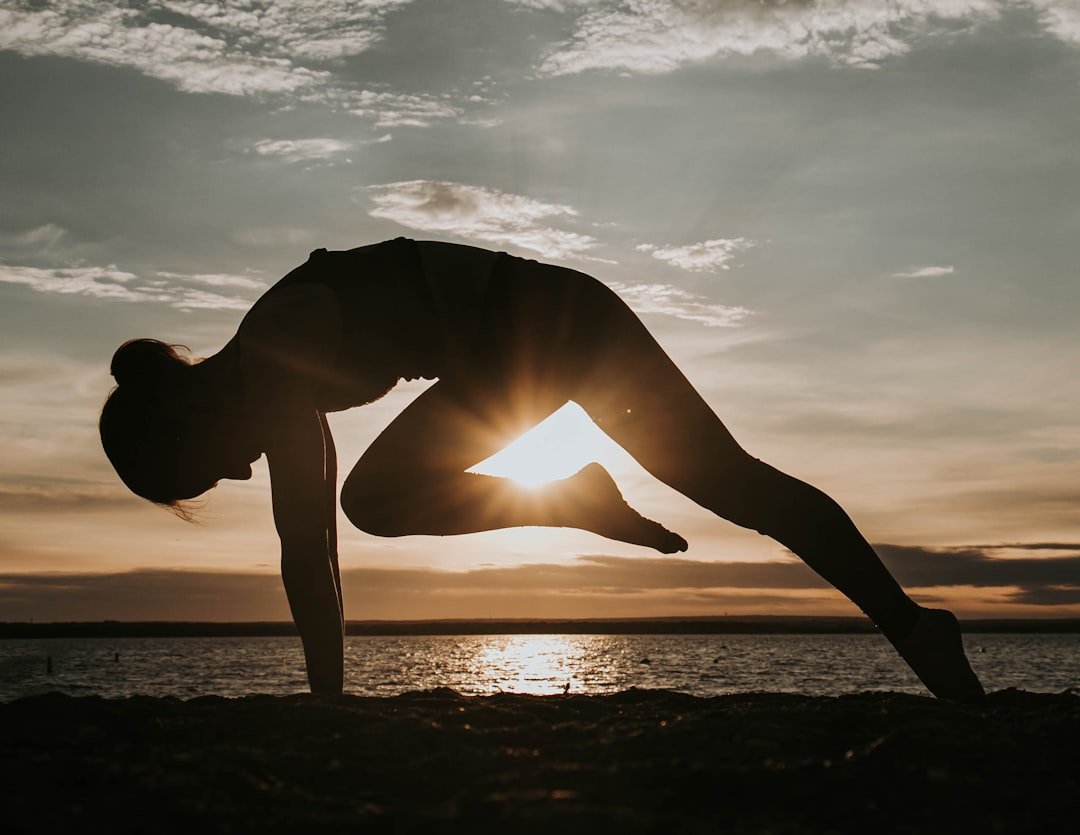
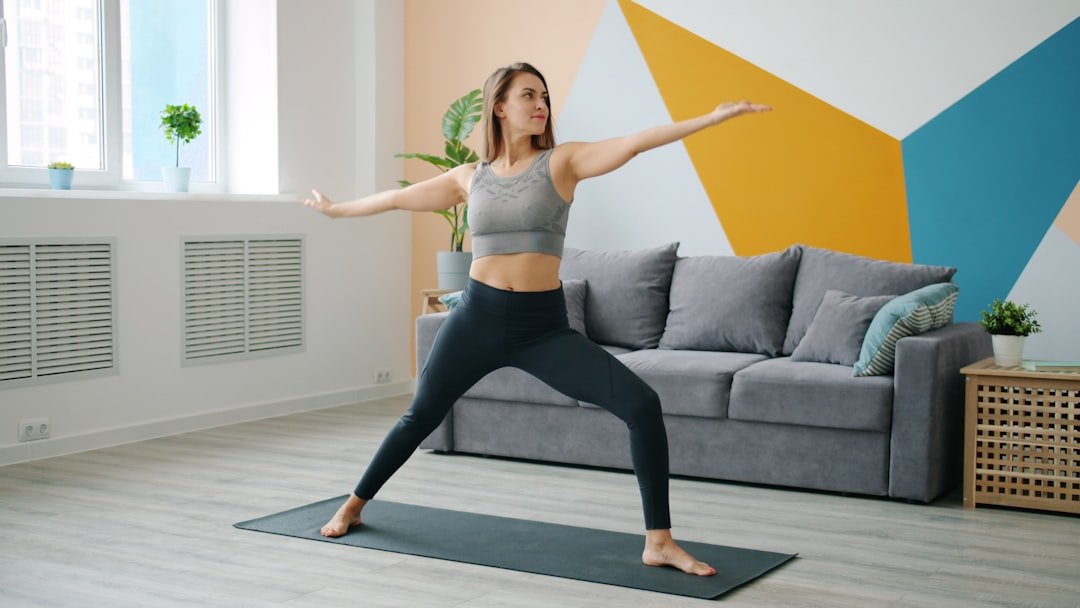
Some poses ask more of your muscles than others. Chaturanga and its many entries and exits load the shoulders, chest and triceps in a way that mimics a slow push-up. Warrior poses, held for several breaths with the front knee tracking properly, build serious work into the quads and glutes. Arm balances like crow or side plank turn your own bodyweight into resistance training for the core and wrists. If you've spent time building a short daily core sequence, you'll already know how much strength shows up in the belly and lower back once you start holding positions with intention rather than rushing through them.
The teachers I trained with used to say that yoga strength is honest strength. There's nowhere to hide when the only resistance is your own body weight and gravity. You can't cheat a long-held warrior two the way you might swing a dumbbell with momentum. That honesty is part of why a consistent practice tends to build strength that shows up everywhere else, in how you carry groceries, get up off the floor, or hold a plank at the gym without your form falling apart.
What yoga won't do
Where I want to be straight with you is on what yoga isn't going to give you. If your goal is significant muscle size, the kind that comes from progressive overload with heavy external weight, yoga alone won't get you there as efficiently as a structured lifting program. Your bodyweight is a fixed load. Once your muscles adapt to holding a pose, you need to find a harder variation, a longer hold, or a different resistance altogether to keep progressing. That's a real limitation, and it's worth knowing going in.
What yoga does give you, even without heavy loading, is functional strength paired with control, balance and range of motion. That combination matters more than raw size for most of what we actually ask our bodies to do day to day, whether that's carrying a toddler on one hip, holding a tricky yoga pose without wobbling, or getting off the floor without using your hands. If you're curious about the physiology behind why a mat practice affects the body the way it does, it's worth reading how yoga actually works beneath the poses. Understanding the mechanism changes how you practice, because you start choosing shapes for what they're doing to your body rather than just moving through a sequence.
I've also noticed the strength conversation shifts once people stop comparing yoga to the gym and start asking what it's actually good at. A rock climber and a marathon runner both have strong legs, but they've built that strength in completely different ways for completely different purposes. Yoga sits in its own category. It trains strength and mobility together, in the same movement, which is a combination most other training styles have to work hard to replicate.
Getting more strength from your practice
If building strength is genuinely one of your goals, a few small shifts make a big difference. Slow down your transitions instead of flowing through them. Hold standing poses for six to ten breaths instead of two or three. Choose styles built around strength and heat, like power yoga or a strong vinyasa class, over gentler restorative sessions on the days you want that stimulus. And pay attention to engagement rather than just shape. Two people can look identical in warrior two, but only one of them is actively pressing into their back foot and firing the muscles doing the work.
Your feet and hands are doing a lot of that work too, gripping and pressing into whatever is beneath you. A mat with real traction lets you commit fully to a hold instead of quietly bracing against a slide. That stability matters more than people expect once you start treating your practice as strength work rather than just stretching. If your current mat is thin, slick, or past its best, it's worth looking at our mats, built to hold up under exactly this kind of sustained, engaged practice.
So can yoga build muscle? Yes, within limits. It builds real, functional strength through your own bodyweight and time under tension, especially through the shoulders, core, glutes and legs. It won't replace a barbell if hypertrophy is the specific goal, but for most people looking to feel stronger, steadier and more capable in their body, a committed practice does more than most expect the first time they try it.

Comments