
Can You Use a Yoga Mat as an Exercise Mat? A Teacher's Honest Take
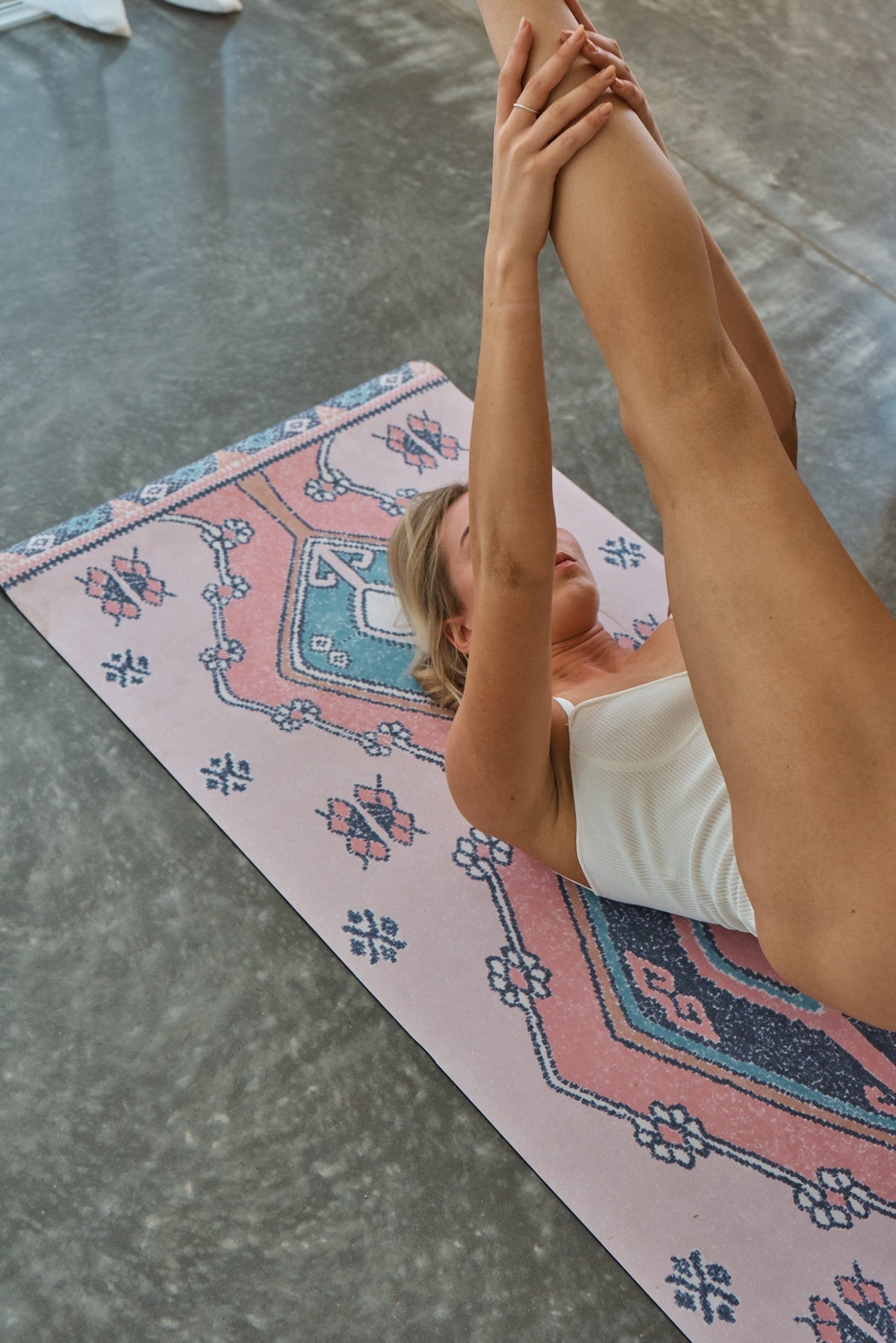
Yes, you can use a yoga mat as an exercise mat, and most of the time it does the job well. I've watched students roll out the same mat for a Sunday flow, a Tuesday HIIT session and a Thursday pilates class without a second thought. The real question is what kind of exercise you're doing, because a mat built for yoga handles some workouts beautifully and struggles with others.
Here's how I think about it after years of teaching, training and wearing out more mats than I'd like to admit.
Where a yoga mat shines outside of yoga
A good yoga mat is designed for one main job: keeping your hands and feet planted while you move slowly and with control. That makes it a natural fit for a lot of floor-based training.
Pilates and core work. Mat pilates, ab sequences, glute bridges and dead bugs all happen low to the ground with steady, deliberate movement. A yoga mat gives you grip for planks and enough cushioning for your spine during roll-ups. If you want a quick way to test this, try a short core sequence on your mat and notice how stable your hands feel in the plank holds.
Bodyweight strength. Push-ups, lunges, side planks and bird dogs are basically yoga's cousins. The grip that stops your hands sliding in downward dog does the same job in a push-up.
Stretching and mobility. Post-run stretches, foam rolling prep, hip mobility drills. Anything you'd do sitting or lying down works well on a yoga mat, and you'll probably find yourself holding stretches longer because the surface is comfortable.
Light resistance training. Resistance bands and light dumbbells on the floor are generally fine. Just set weights down gently rather than dropping them.
Where a yoga mat starts to struggle
Some workouts ask more of a mat than it was built to give. Being honest about these will save you a damaged mat, or a sore wrist.
High-impact jumping. Burpees, jump squats, skipping and plyometrics create a lot of force on landing. A standard yoga mat is thin enough to give you feedback from the floor, which is great for balance and less great for absorbing repeated impact. You'll feel the floor underneath, especially on concrete or tiles.
Shoes. This is the big one. Most workouts in trainers involve twisting and pivoting, and rubber soles grind into a mat's surface. Natural rubber and soft top layers are particularly vulnerable. If your session needs shoes, a dedicated gym mat or bare floor is the better choice. Yoga mats are made for skin.
Heavy weights. Kettlebells and heavy dumbbells can dent or tear a mat if they're set down hard. The same goes for weight benches, whose feet press into the surface and leave marks.
Very sweaty sessions. A long cardio circuit can leave a pool of sweat on your mat. Some surfaces grip better as they get damp and some get slippery, so it's worth knowing which kind you have before you start a 45-minute sweat session.
What to look for if one mat has to do it all
Plenty of people only want one mat, and I get it. Storage is tight, and nobody wants a pile of foam behind the couch. If your mat needs to handle yoga and general training, here's what matters most.
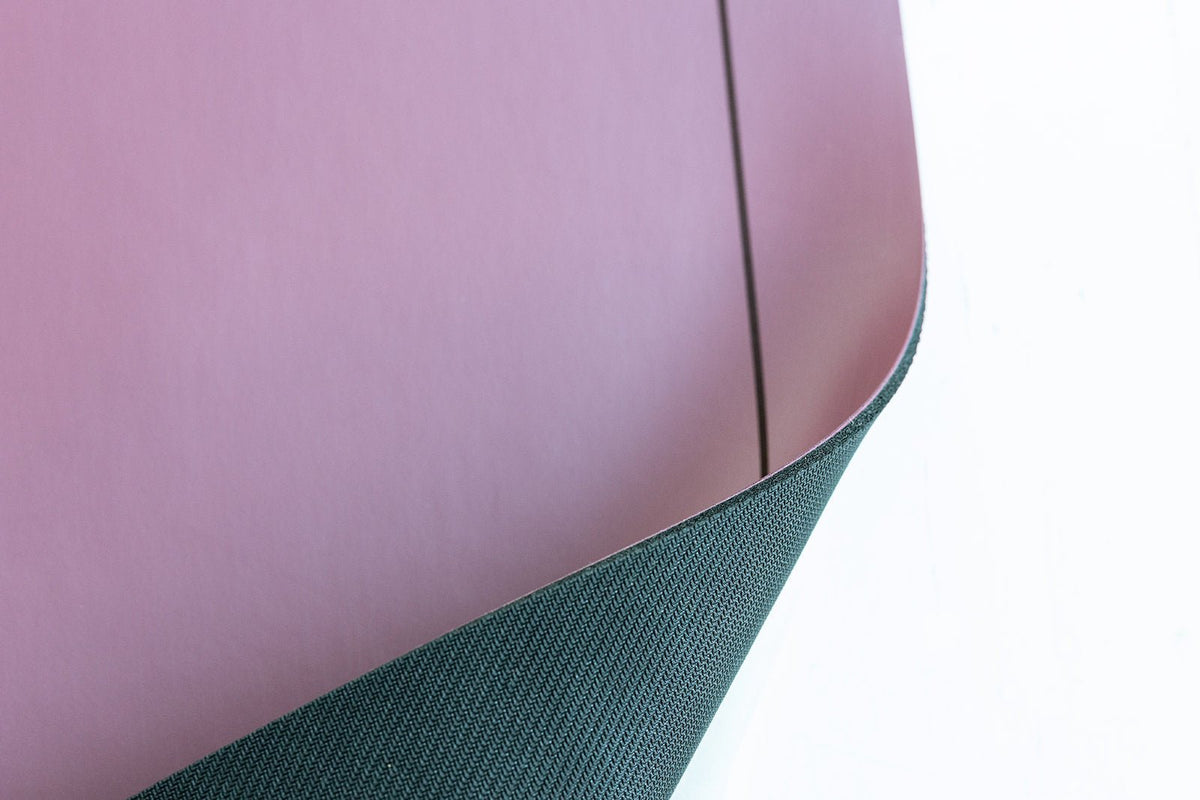
Grip that holds up when you sweat. A microfibre top layer over natural rubber is a good combination for mixed training. The microfibre absorbs moisture rather than letting it sit on the surface, so your hands stay put during push-ups and planks even when you're working hard.
Enough length and width. Exercise moves you around more than a typical yoga class. Lunges, side planks and lying leg work all need room. A mat around 185cm long gives taller people space to lie flat without their head or feet hanging off the end, and a little extra width helps for wide-stance moves.
The right thickness. For mixed use, somewhere between 3mm and 5mm is a sensible middle ground. Thinner mats give better stability for balance work. Thicker ones are kinder to your knees in kneeling exercises but can feel wobbly in single-leg moves. If you need extra cushioning for one exercise, folding the end of your mat over or placing a towel under your knees works well.
A dense base. A heavier, natural rubber base stays flat and doesn't creep across the floor when you push off it. Lightweight foam mats tend to bunch and slide during dynamic movement.
Looking after a mat that works overtime
A mat used for daily workouts will wear faster than one used for a gentle weekly class. That's normal. A few habits make a real difference to how long it lasts.
Wipe it down after sweaty sessions rather than rolling it up damp. Sweat and skin oils break down rubber over time, and a mat that's rolled up wet is more likely to develop a smell. There's a fuller rundown in our guide to caring for your yoga mat, which covers gentle cleaning and drying.
Keep it out of direct sun. Natural rubber doesn't love UV, and leaving your mat in a sunny window or the back of a hot car will shorten its life.
Practise barefoot. If a workout calls for shoes, move it to another surface. Your mat will thank you.
Rotate where you stand. If you always do your lunges in the same spot, the surface wears unevenly. Flip the mat end to end every so often to spread the load.
Picking the right surface for the session
When students ask me whether they need a separate exercise mat, I usually turn the question around and ask what their week actually looks like. If it's mostly yoga, pilates, stretching and bodyweight strength, one good yoga mat will cover nearly everything. If it's heavy lifting, box jumps and sessions in runners, a thick gym mat earns its place alongside your yoga mat rather than replacing it.
The difference comes down to purpose. Exercise mats tend to prioritise cushioning and durability under shoes. Yoga mats prioritise grip and a stable connection with the floor. For barefoot, controlled movement, that grip and stability is exactly what you want, whether you're calling it yoga or not.
If you're looking for one mat that can move between a slow flow and a strength session, our mats pair a natural rubber base with a microfibre top that grips more as you sweat, in a 185cm by 68cm size that gives you room to move. They're made for every style of practice, and they're just as at home in a pilates, core or bodyweight session as they are in a slow evening flow.

Comments