
Standard or Extra Long? How to Pick the Right Yoga Mat Size
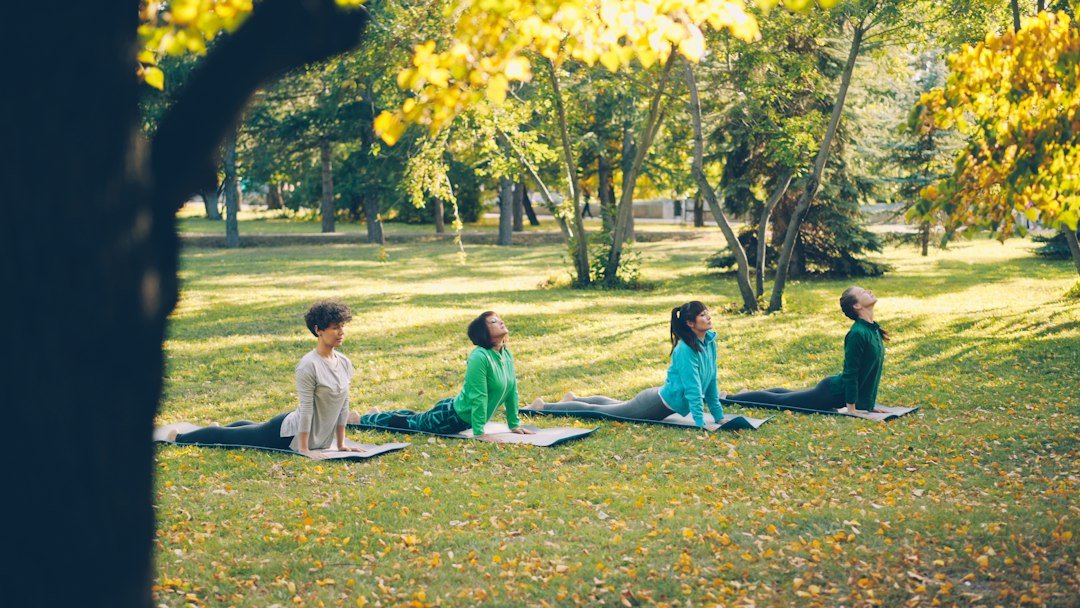
If your heels keep sliding off the back of your mat in downward dog, or your fingertips land on bare floor every time you reach into a forward fold, the mat is probably too short for you. It's one of the most common fixes I suggest to students, and it has nothing to do with skill or flexibility. It's just math: your body is longer than the mat, and no amount of practice changes that.
How long is a standard mat, really?
Most yoga mats on the market measure around 68 inches, or about 173cm. That works well for anyone up to roughly 5'6". Past that height, you'll start to notice your hands or feet creeping past the edges in poses like downward dog, plank, or a low lunge. It's not dangerous, but it does mean you're gripping cold tile or carpet instead of your mat, which changes how a pose feels and how steady you are in it. I've taught plenty of tall students who assumed shaky balance poses were a strength issue, when really their back foot was just off the mat the whole time.
When extra length actually matters
Extra long mats typically run 72 to 74 inches, sometimes more. If you're taller than average, this is the obvious fix. But height isn't the only reason to size up. Anyone who likes to stretch out fully in savasana, roll from side to side during a longer hold, or move through a faster paced practice with big strides between poses will appreciate the extra room. This isn't a Yin-specific consideration either. Vinyasa, power yoga, and even a straightforward home stretching routine all benefit from a mat that doesn't run out before your body does.
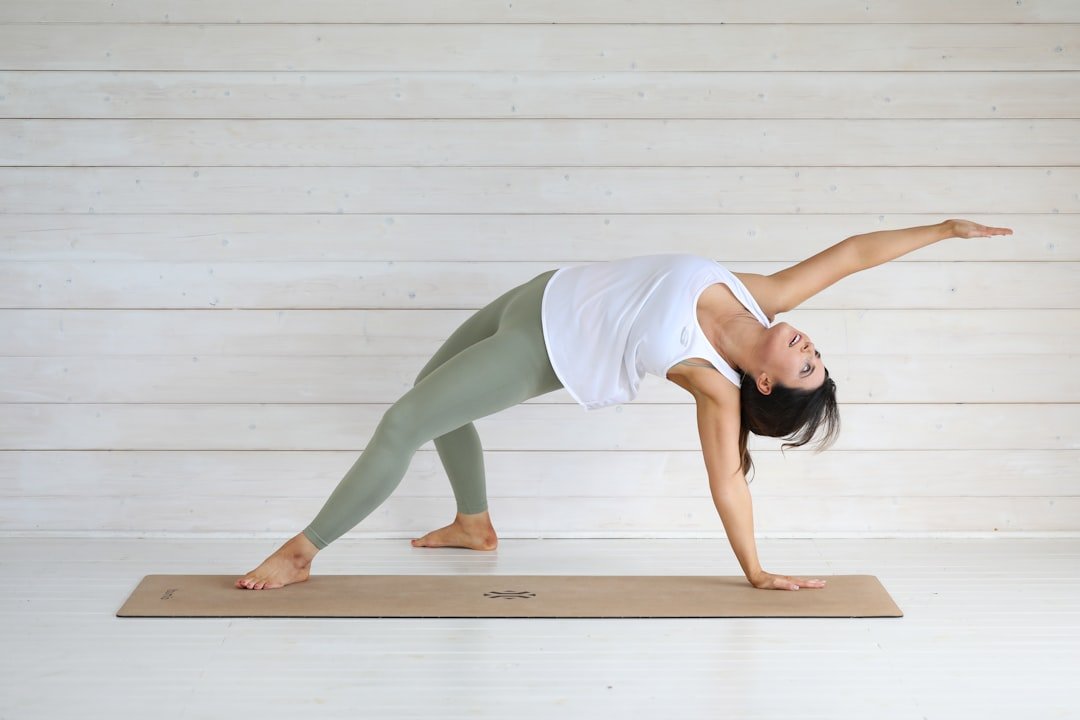
A good rule of thumb: lie down on the mat before you buy, or measure yourself lying down and add at least 4 to 6 inches. That buffer accounts for reaching overhead in poses like extended side angle or a supported backbend, where your fingertips travel well past your actual height. If you're between sizes, I'd generally point you toward the longer option. A little extra mat at your feet is a minor inconvenience. Running out of mat mid-pose is a genuine distraction.
Width is worth a thought too
Length gets most of the attention, but width matters if you tend to take a wide stance, practice standing poses with a lot of lateral reach, or simply feel cramped on a narrow mat. Standard width sits around 24 inches. A few extra inches of width can make wide legged forward folds, side plank variations, and any pose where your hands land outside your shoulders feel far less precarious. It's a smaller detail than length, but it adds up over a long practice.
Don't confuse length with thickness
These get mixed up constantly. Length is how far the mat stretches from top to bottom. Thickness is about cushioning under your joints and has its own set of trade-offs entirely, usually between stability and comfort. A thicker mat won't fix a mat that's too short for you, and a longer mat won't make a thin mat feel more supportive under your knees. Worth sorting out which problem you're actually trying to solve before you shop.
Testing it before you buy
If you can, unroll a mat in the shop or on your living room floor and actually lie down on it, arms overhead, legs extended. Notice where your body ends relative to the edges. If you're shopping online, a tape measure and five minutes on the floor at home will tell you more than any size chart. Factor in your usual footwear too if you practice in socks or barefoot, since that changes how far your feet actually reach.
The trade-offs of sizing up
An extra long or extra wide mat is heavier and bulkier to carry, and it won't always fit a standard mat bag or strap sized for a 68-inch mat. It also takes up more room in storage, which is worth considering if you're rolling and unrolling your mat in a small apartment or tucking it behind a door. None of this should stop you from sizing up if you need to, it's just worth knowing before it arrives and doesn't fit your usual bag. If storage or general upkeep is on your mind, how you care for your mat matters just as much as the size you choose, since a well-maintained mat holds its shape and grip far longer regardless of length.
Choosing what actually fits your practice
The right size comes down to your height, the style of movement you do most, and where you'll store the thing between sessions. There's no universal answer, and honestly, most people don't think about mat length until they've already been rolling off the edge of one for months. If you're curious what goes into the materials and dimensions we use, we've laid it out in more detail in this rundown of our mats.
If you've been making do with a mat that's just a little too short, it might be time for a change. You can browse our mats and find a length and width that actually matches how you move.

Comments