
What Is a Cork Yoga Mat, and Is It Actually Worth It?
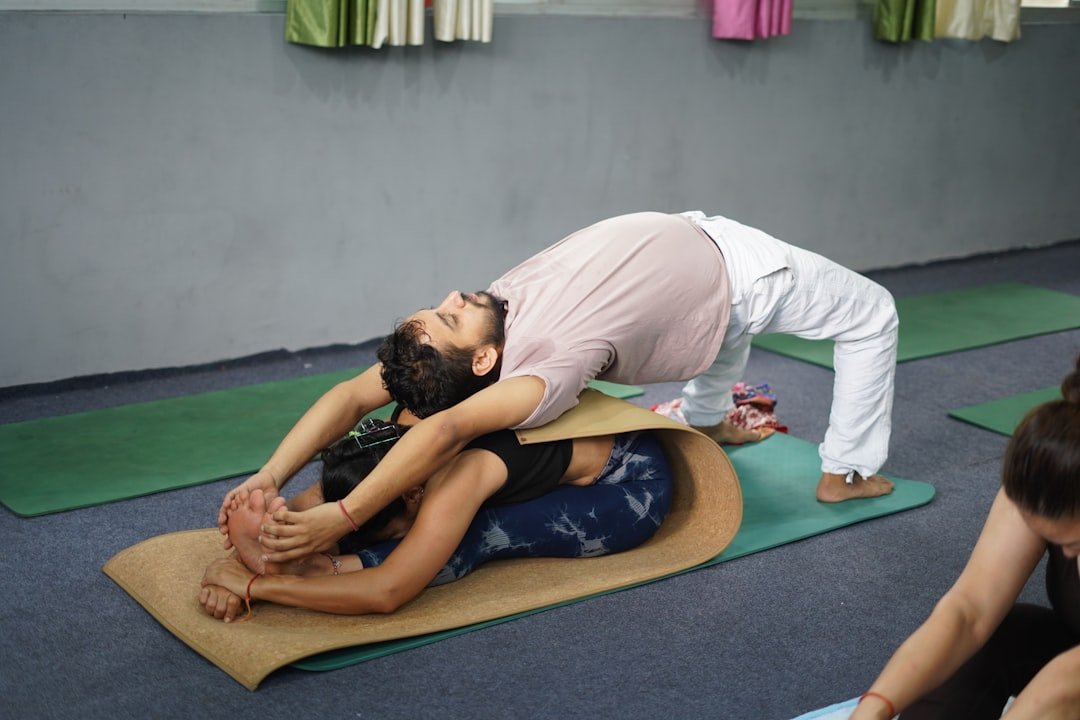
Cork mats started turning up in studios a few years back, and if you have been practicing for a while you have probably rolled one out at least once. It feels different underfoot than rubber or foam, and that difference is exactly why people ask about it. Here is what cork actually is, how it performs once you are on it, and when it earns a spot in your kit.
What a cork yoga mat is actually made of
Cork comes from the bark of the cork oak tree, harvested without cutting the tree down, which is part of why it gets flagged as a renewable material. For a mat, that cork is sliced thin and bonded to a base layer, usually natural rubber or TPE, which does the real work of cushioning and structure. The cork sits on top as the surface you actually touch. That construction matters, because a cork mat is really two materials working together, not a solid slab of cork the way people sometimes picture it.
The surface itself has a fine, slightly grainy texture. Run your hand across it dry and it feels almost like a sanded piece of wood. That texture is doing more than looking good. It is the reason cork behaves so differently once you start to sweat, and it is also why two cork mats from different makers can feel quite different depending on how thick that top layer is and how it has been finished.
How cork feels once you are moving
Most mat materials get slippery as they warm up and pick up moisture. Cork tends to do the opposite. The surface actually grips better with a bit of sweat on it, because moisture opens up the texture rather than pooling on top of it the way it can with rubber alone. If you have ever slid out of downward dog on a warm afternoon, this is the detail that sells people on cork.
Cork also has natural antimicrobial properties, meaning it does not hold onto odour and bacteria the way some foam mats do over time. That does not mean you can skip cleaning it. It just means you are starting from a better baseline, and if you want the full routine for keeping any mat fresh, our guide to caring for your yoga mat covers it properly.
Where cork asks for a trade-off is cushioning and weight. Because the rubber or TPE base sits underneath a firmer cork layer, these mats tend to feel slightly less plush than a thick foam mat, and they are usually heavier to carry. If your knees or wrists need a lot of padding, or you are after something ultralight for travel, cork is not automatically the answer.
What separates a good cork mat from a cheap one
Not all cork mats are built the same, and the difference usually comes down to three things. The first is how the cork is applied. A thin, sprayed-on veneer will wear through at the hands and feet within months, while a properly bonded layer holds its texture for years. The second is the base material underneath. Cheaper mats often use a thinner, denser foam that flattens quickly and loses grip on the underside, so the whole mat slides around on the floor even if the top feels fine. The third is smell. A small amount of natural cork or rubber scent when the mat is new is normal and fades within a week or two of use and airing. A strong chemical smell that lingers is usually a sign of lower grade backing material.
It is also worth handling the mat before you commit, if you can. Press a thumb into the surface near the edge. A well made cork mat should spring back immediately rather than leaving a dent, and the cork layer should feel firmly fused to the base rather than lifting or bubbling at the seams.
Where a cork mat actually makes sense
Cork earns its reputation in anything sweaty. Hot yoga, vinyasa, power classes, anything where your palms and feet get damp partway through, is where the grip advantage shows up most. It is also a solid pick if you practice at home and want a mat that does not need replacing every year, since cork holds up well against general wear and does not compress the way softer foams do over time.
It makes less sense if you are doing a lot of floor-based work on hard flooring and want extra shock absorption, or if you are choosing a mat purely on weight because you are flying to a retreat every few months. In those cases, a lighter foam or a thicker rubber mat will likely serve you better.
None of this is really about finding the single best mat. It is about matching the material to how and where you actually practice, which is the same logic worth applying whether you are picking your first mat or your fifth. That is also the thinking behind how we build our mats, and you can see the full range at our mats if you are weighing up what to try next.
Whatever you land on, give it a proper break-in period before you judge it. Cork especially can feel slightly different in the first few sessions than it does once it has settled into regular use, so a first roll-out is not always a fair test of how it will feel a month in.

Comments