
Can Yoga Make You Taller? What's Really Happening in Your Spine
Roll out your mat consistently for a few months and something curious happens. You catch your reflection looking taller than you remember. Friends mention it. You feel it in your shoulders, in the space between your ribs and hips, in the way your head sits over your spine instead of jutting forward. Here's what's actually happening, and why it isn't quite the same as growing taller.
Your Bones Have Already Finished Growing
Once your growth plates close, usually by your early twenties, your bones stop lengthening. No amount of stretching, hanging, or asana practice changes that. If a teacher or a product ever promises you'll add inches to your actual skeletal height as an adult, take it with a grain of salt. That part of the story is settled biology, and yoga doesn't rewrite it.
So where does the "taller" feeling come from? It's real, it shows up in small measurable amounts over the course of a day, and it has almost nothing to do with your bones getting longer.
What's Actually Changing Is Your Posture and Your Spine's Fluid
Gravity compresses your spine all day, every day. Sitting at a desk, carrying a bag on one shoulder, scrolling with your neck tipped forward. The discs between your vertebrae lose a small amount of fluid as the day wears on, and most of us round forward without noticing it happening. By evening, you're measurably shorter than you were at breakfast. This is normal and it happens to everyone, yoga practitioner or not.
What a consistent practice does is counteract that collapse. Poses that lengthen the spine, open the chest, and decompress the lower back give those discs room to rehydrate and your vertebrae room to stack properly again. You're not growing. You're unwinding the slouch you've been carrying since you got out of bed. The mechanics of how yoga works on the body explain this in more depth if you want to go further into the physiology.
Breath Plays a Bigger Role Than You'd Think
Shallow, chest-gripping breathing keeps your ribcage locked in a slightly collapsed position, which quietly shortens your torso over time. Most of us breathe this way without realising it, especially under stress. Deep, full breaths that expand the ribs sideways and lift the sternum do the opposite. They mobilise the small joints between each rib and the spine, joints that stiffen fast if they're never asked to move.
This is part of why a slow practice built around breath, rather than one that rushes through poses, tends to produce a more noticeable change in how tall you stand. You're not just stretching muscle. You're restoring movement to a part of your skeleton that most daily life never touches.
The Poses That Make the Most Noticeable Difference
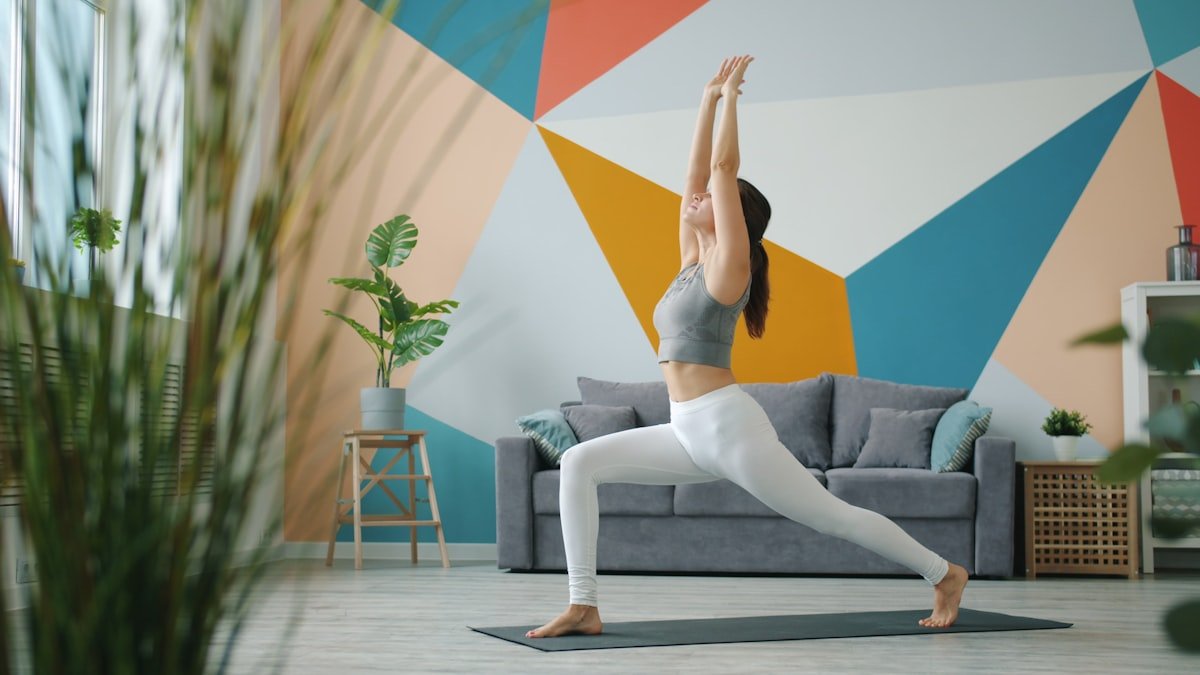
Standing poses do the heaviest lifting here. Mountain pose sounds almost too simple to matter, but standing with even weight through both feet, a long spine, and shoulders drawn away from your ears retrains a posture most of us have forgotten how to hold. Triangle pose lengthens both sides of the torso and opens the space between your ribs and your hips, which is exactly the area that collapses when you hunch over a laptop all day.
Gentle backbends and forward folds both play a role too, in different ways. Backbends open the front of the chest and counteract the forward curl that desk life creates. Forward folds decompress the lower back and give the discs there a break from constant load. Cat-cow, done slowly, is one of the simplest ways to feel your spine move through its full range instead of staying locked in one position. None of this changes your skeleton. All of it changes how much of your existing height you're actually standing in.
Posture Is the Real Transformation
The height you gain from a regular practice isn't new height. It's height you already had, buried under years of slouched shoulders and a collapsed chest. That's a worthwhile shift regardless of what a tape measure says. Standing taller changes how your clothes sit, how confident you feel walking into a room, and how much strain your neck and lower back carry through an ordinary day. It's the kind of change that's easy to dismiss until you notice you've stopped catching your reflection with surprise.
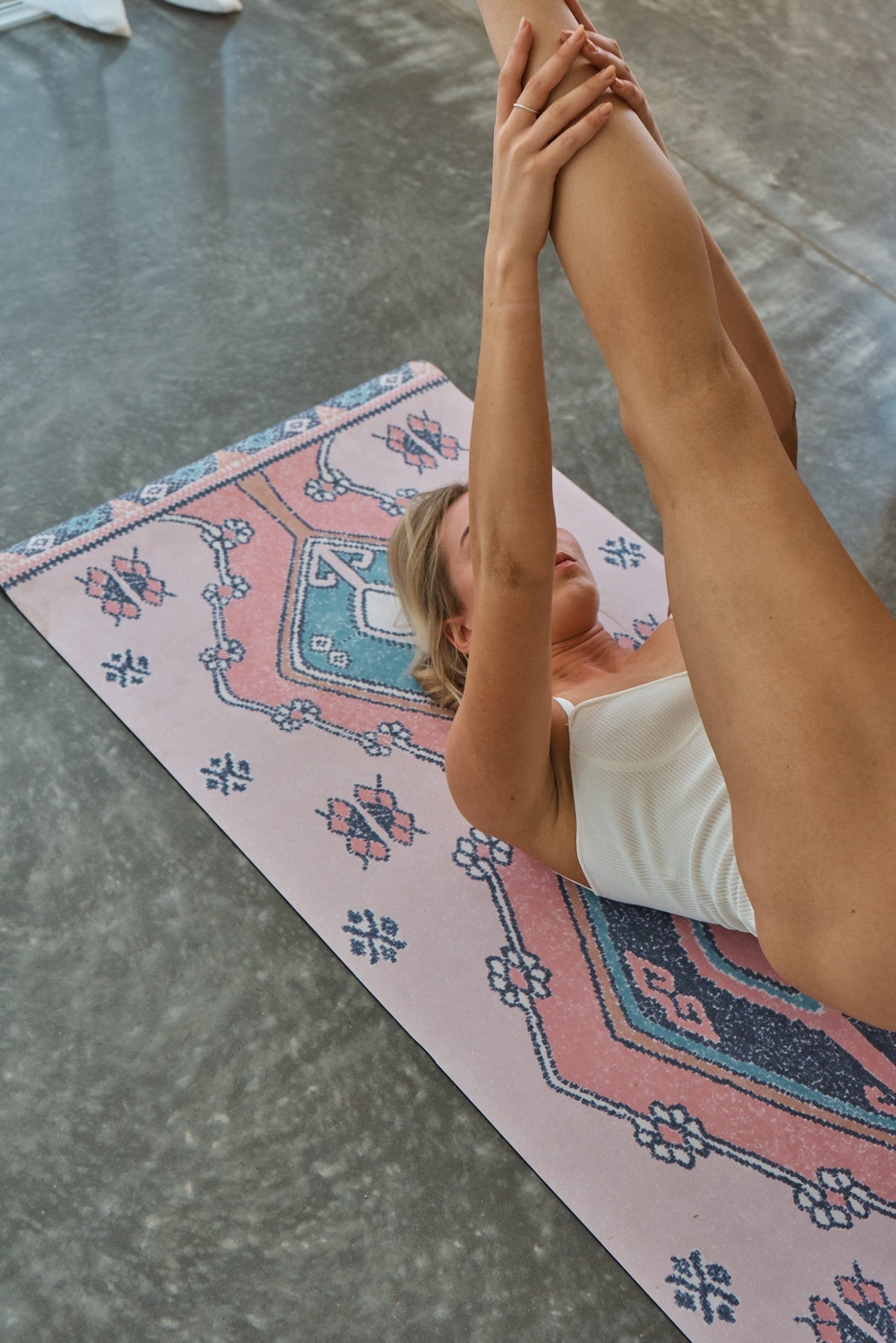
None of these poses ask much of your equipment, but they do ask for stability. Balancing in triangle pose or holding a long forward fold gets harder fast if your feet are sliding on your mat, and it's difficult to focus on lengthening through your spine when part of your attention is spent catching yourself. Having something underneath you that grips properly, on carpet or hardwood, lets the work happen where it's supposed to. If you're building this kind of practice from scratch, it's worth starting with a mat that actually holds still so the only thing moving is you.
Give it a few weeks of consistent practice and pay attention next time you catch your reflection. You probably won't be taller. You'll likely be standing like you mean it, which tends to look like the same thing.

Comments