
Small Apartment, Full Practice: Choosing and Storing a Yoga Mat When Space Is Tight
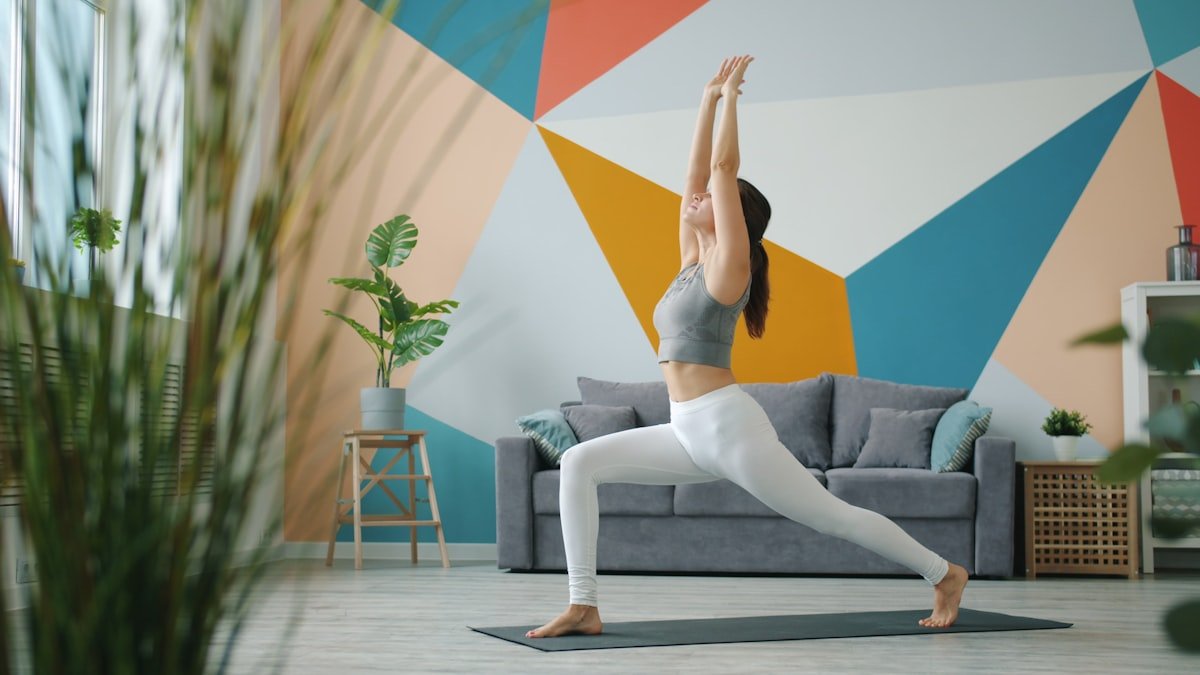
Living in a one-bedroom apartment, a shared flat, or a studio with barely enough floor space for a coffee table teaches you to be selective about what you own. A yoga mat should earn its place in that limited real estate, both when you're using it and when you're not. The good news is that a small space doesn't mean a compromised practice. It just means being a bit more intentional about the mat you choose and where it lives when you roll it up.
What to Look For in a Mat for a Small Space
Not every mat is built with tight quarters in mind. Some are thick and cushioned, which feels wonderful underfoot but takes up real volume once rolled. If your floor space doubles as your living room, your home office, or your bedroom, a slimmer, lighter mat is going to be far easier to live with. Look for something you can roll tightly without it fighting to spring back open, and light enough that you're not dreading the daily unroll and reroll.
Width matters more than people expect too. A standard mat can feel enormous in a narrow hallway or a room where the only clear floor is a strip beside the bed. If your space is genuinely tiny, measure the area you actually have before you buy, and choose a mat that fits it with a little room to move your arms without knocking into furniture.
Material is worth thinking through as well. Natural rubber mats tend to grip well without needing a lot of extra padding, which means you can often go thinner without sacrificing stability. That's a useful trade-off when every centimetre of storage counts.
Where to Actually Put It When You're Not Using It
This is the part that trips people up. A mat left in a heap by the door becomes clutter fast, and clutter is the enemy of small-space living. A few options that work well in compact homes: a wall hook near the entry, a tall woven basket in a corner that doubles as a plant stand for the rest of the week, or a slim gap beside a bookshelf where a rolled mat can lean upright without falling over every time someone walks past.
Under the bed is another option if your mat is thin enough to lie flat without gathering dust, though I'd only recommend this if you're diligent about pulling it out and giving it a shake before you use it again. If you share your space, a shared hook or a designated basket near the practice area keeps everyone's gear from becoming a tripping hazard.
Whatever system you land on, the goal is the same: your mat should take about five seconds to grab and five seconds to put away. If it takes longer than that, you'll find reasons to skip your practice on the days you're tired or short on time, and that has nothing to do with motivation and everything to do with friction.
One Mat, Many Styles
When space is tight, owning a mat for every type of movement isn't realistic, and it isn't necessary. A well-made mat can carry you through a slow, floor-based stretch one morning and a sweatier, more dynamic flow the next evening. You don't need a separate setup for every mood or style of practice. What you need is one mat that grips reliably, cushions your joints on the days you're moving slowly, and holds up when you're moving fast.
This is where a bit of upfront thought pays off. A mat that's too thin can feel harsh under your knees during a longer hold. One that's too soft can feel unstable when you're balancing or transitioning quickly between poses. The sweet spot for most small-space practitioners is a mat with enough cushioning to be kind to your body without being so plush that it becomes bulky to store. If you want it to last through years of daily rolling and unrolling in a tight corner, it's also worth spending a few minutes on caring for your mat properly, since a mat that's looked after keeps its grip and shape far longer than one left to bake in a hot car or scrunched into a bag while still damp.
Making a Small Corner Feel Like a Studio
You don't need a dedicated yoga room to have a practice that feels grounded and calm. A single mat, rolled out in the same spot each time, does more psychological work than people expect. Your body and mind start to associate that patch of floor with slowing down, even if it's also where your desk chair lives for the other twenty-three hours of the day.
A few small touches help reinforce that shift: a candle or a plant nearby, a consistent time of day, or simply facing the mat toward a window instead of a wall. None of this requires square footage you don't have. It just requires the mat itself to be one less thing you have to think about, which comes back to choosing something that suits your space, your storage, and the range of practice you actually do.
If you're setting up your first small-space practice or replacing a mat that's outlived its grip, our mats are designed with exactly this in mind: light enough to store easily, sturdy enough for every style of movement, and made to hold up to the daily routine of a life lived in a smaller footprint. A good mat should disappear into your space when you're not on it, and show up for you fully the moment you are.

Comments