
The Best Yoga Poses for Better Sleep
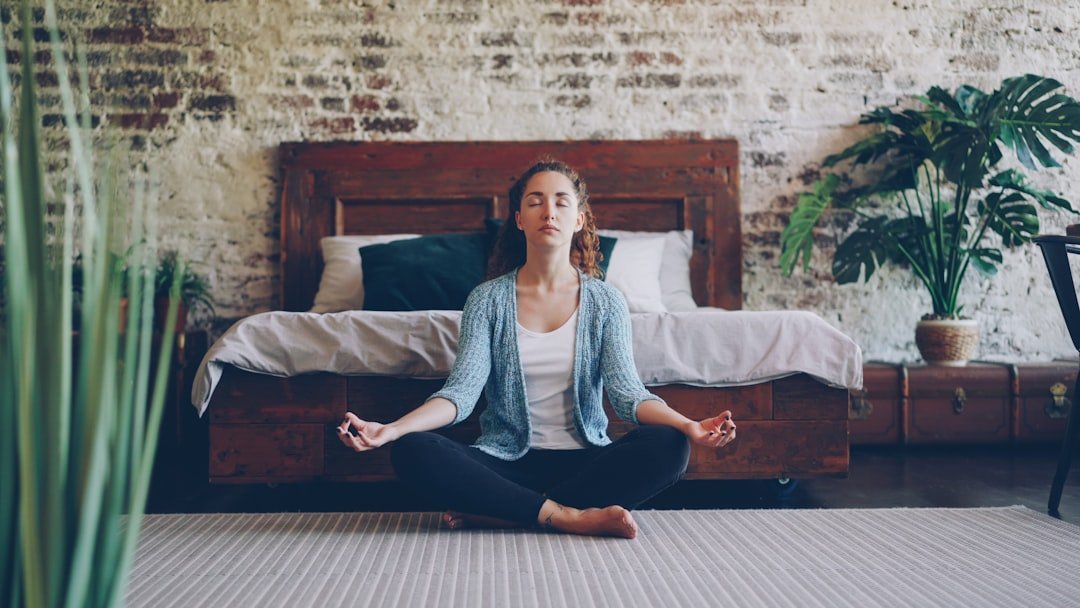
You know the feeling. You've been tired all day, and the moment your head hits the pillow, your brain decides it's time to catch up on every unresolved thought from the past week. Sleep doesn't come, or it comes late and leaves early. If this sounds familiar, a short yoga practice before bed might be exactly what your body is asking for.
I've been teaching yoga for years, and one of the most consistent things I hear from students is that their sleep improves once they start practicing in the evenings. Not because yoga is magic, but because it gives your nervous system a clear signal: the day is done, you can let go now.
The poses that work best for sleep share a few things in common. They're passive rather than effortful. They work with gravity rather than against it. They invite long, slow breaths. And they ask you to stay still long enough for your body to actually release.
Why Evening Yoga Works Differently
A morning or midday practice is energising by design. You're building heat, moving through sequences, waking the body up. An evening practice asks you to do the opposite: to cool down, soften, and slow the breath deliberately.
When you hold poses passively for two to five minutes and pair that stillness with an extended exhale, you're activating your parasympathetic nervous system. That's the part of your nervous system responsible for rest, digestion, and recovery. It's the antidote to the sympathetic response (the go-go-go mode most of us live in during the day).
This is why the poses listed below tend to be held rather than flowed through. The length of the hold matters. It's not the same to move in and out of Child's Pose for thirty seconds as it is to stay there for three minutes, breathe deliberately, and let the tension in your hips and lower back genuinely soften.
If you already have a home yoga practice in the mornings, consider adding even ten minutes of this slower work before bed. The contrast will be obvious within a few days.
Poses Worth Trying Tonight
Legs Up the Wall (Viparita Karani) is one of the most underrated poses for winding down. You lie on your back and rest your legs straight up against a wall, letting gravity drain any tension from your feet and calves. Stay here for five to ten minutes. If your hamstrings are tight, move a little further from the wall so your legs can be fully straight and relaxed. This one is particularly good if you've been on your feet all day.
Reclined Bound Angle (Supta Baddha Konasana) is essentially a butterfly pose, lying down. Bring the soles of your feet together and let your knees fall out to the sides. Place a pillow or folded blanket under each knee if your hips are tight. The opening through the inner groin and hips is where a lot of people carry physical tension, and releasing it in a supported, passive way signals genuine safety to your nervous system.
Supine Spinal Twist feels particularly satisfying at the end of the day. Lying on your back, draw one knee into your chest and then guide it across your body, letting it rest on the floor or on a bolster while you extend that same arm out to the side. Hold for two to three minutes per side. The gentle compression and release through the spine is one of those things that feels better than it sounds on paper.
Child's Pose (Balasana) is simple, but the hold time makes a real difference. Most people touch Child's Pose for ten seconds and move on. Try staying for three to five minutes instead, with your forehead resting on the mat or on your stacked fists. Let your breath expand into your back body. There's something about the forward fold and the slight compression of the abdomen that is genuinely calming for most people.
Standing Forward Fold (Uttanasana), done slowly and held for ninety seconds to two minutes, is a good transitional pose if you're moving from a seated or standing position into floor work. Let your knees soften, your head hang heavy, and resist the urge to stretch. The goal here isn't flexibility; it's surrender. Let gravity do the work.
A Few Things That Make the Practice More Effective
The environment matters. Dim the lights before you start. Put your phone in another room. If you use music, choose something instrumental and slow. The goal is to remove stimulation, not add it.
Breathe longer on the exhale. If you inhale for four counts, exhale for six or eight. This ratio is the physiological signal your body needs to shift into rest mode. You don't need a breathing app or a timer; just pay attention to your breath and let the exhale be longer than the inhale.
Don't try to make the poses deep. A tight, effortful hold is counterproductive. These poses should feel supportive and slightly releasing, not stretched to the edge. If you're grimacing, back off. The nervous system registers effort and tension; it doesn't relax around them.
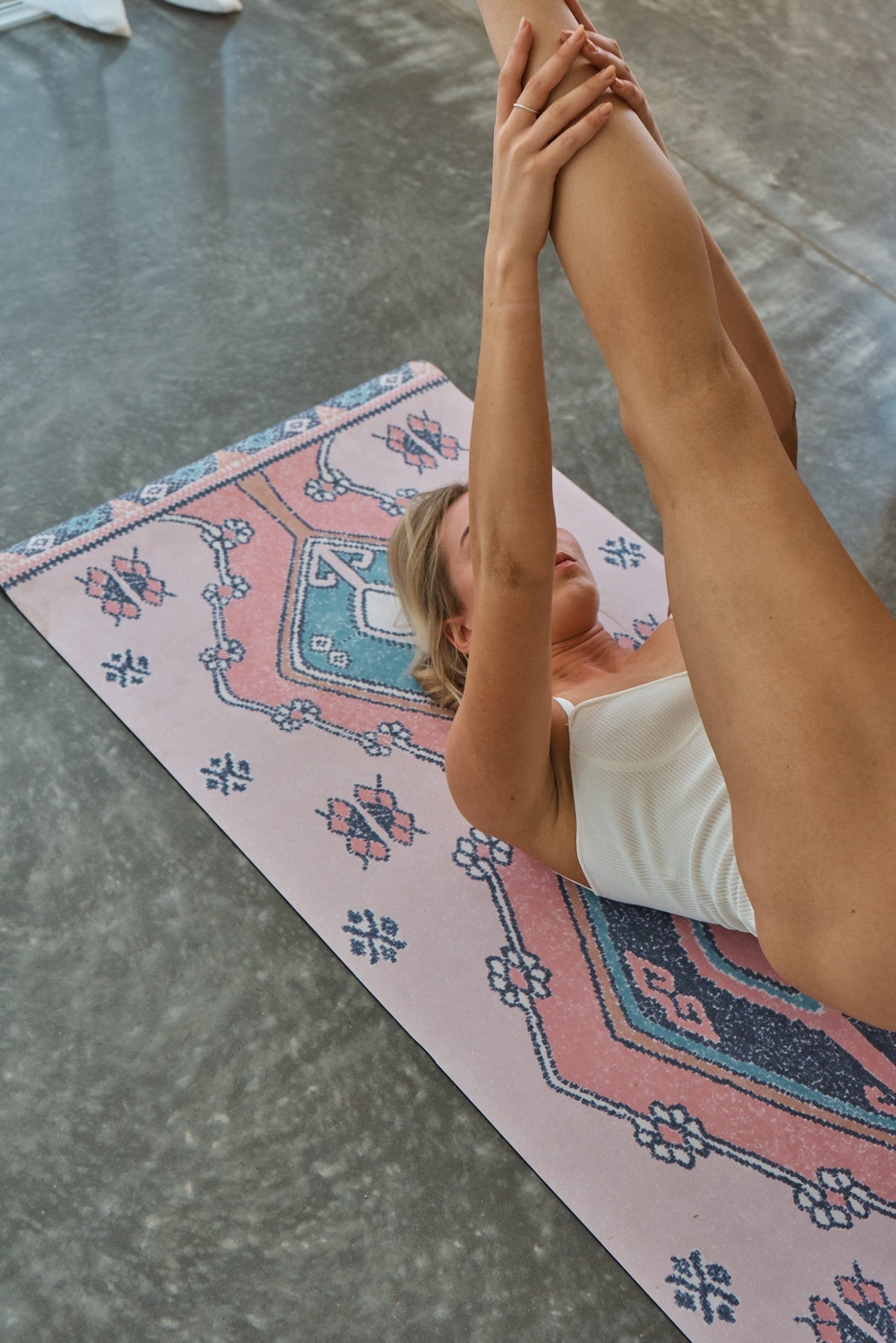
Having a mat that's comfortable to lie on is worth thinking about too. Spending five minutes in Legs Up the Wall is a very different experience on a thick, cushioned mat than on something thin and hard. Our mats are designed with exactly this kind of practice in mind: enough cushioning to stay comfortable in longer holds, with enough grip that you're not sliding around when you move between poses.
If you find that anxiety is a big part of what keeps you awake, it might also be worth looking at poses specifically targeted at calming an anxious nervous system. We have a post on the best yoga poses for anxiety that covers a few different options and explains why each one works the way it does.
The most important thing is consistency. One evening practice will feel nice; ten in a row will actually change how you sleep. Start with ten minutes. Keep it simple. Give your body the chance to learn what the routine means, and it will start to respond before you even unroll the mat.

Comments